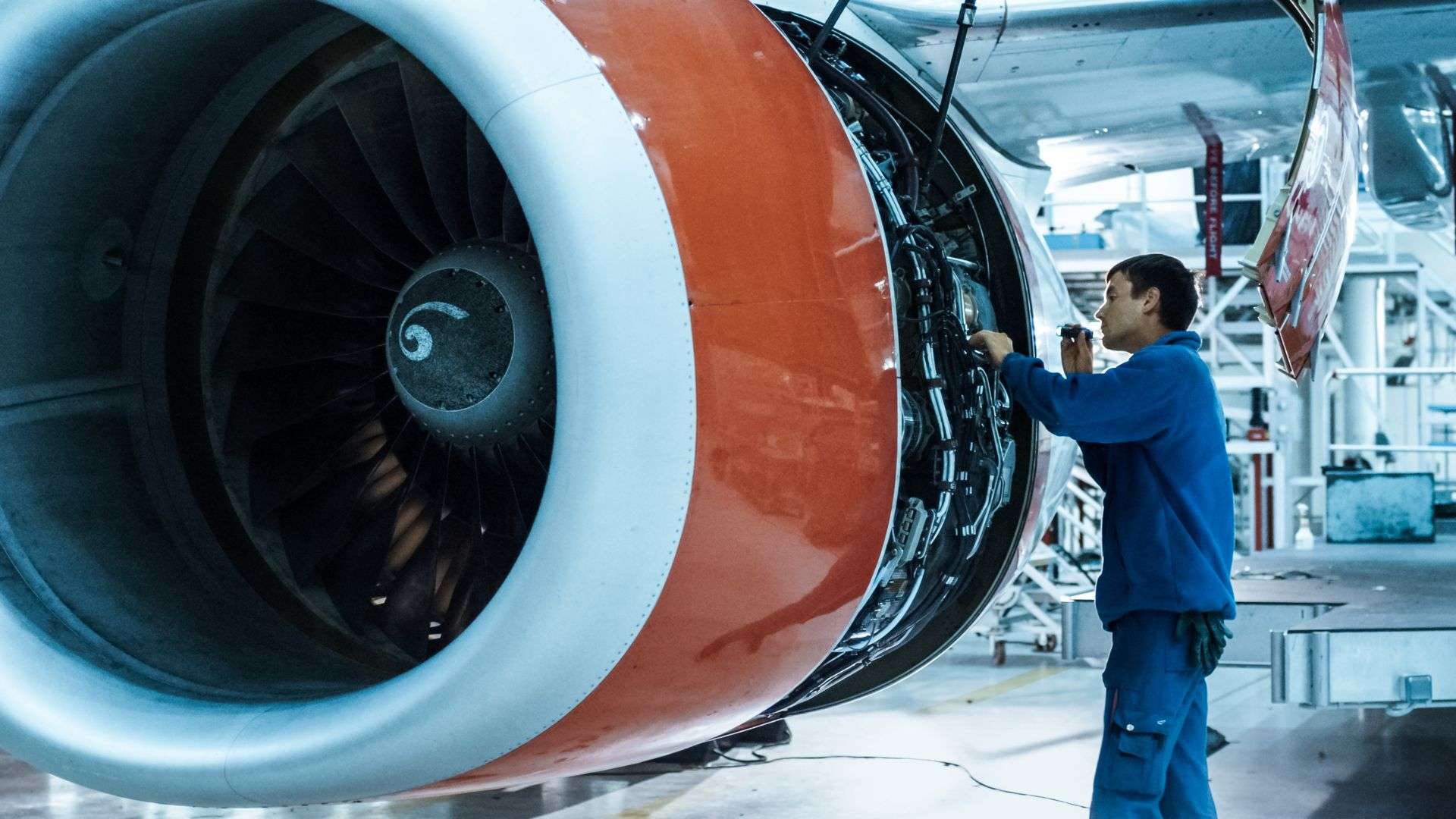
Working in UAE aviation means operating at the crossroads of global regulatory frameworks. Whether you’re maintaining aircraft registered in Europe, servicing components destined for American operators, or ensuring compliance with local GCAA requirements, understanding how EASA, GCAA, and FAA regulations differ is essential to your daily work.
For maintenance engineers, compliance officers, and aviation professionals based in the UAE, regulatory knowledge isn’t optional—it’s foundational. The aviation industry operates under strict oversight from multiple authorities, and each has its own approach to safety, certification, and compliance. This article breaks down the three major aviation authorities, highlights their key differences, and explains what this means for your career and operations in the UAE.
Understanding the Three Major Aviation Authorities
Before examining the differences, it’s important to understand what each authority does and why it matters.
EASA – The European Standard-Setter
The European Union Aviation Safety Agency (EASA) serves as the regulatory body for aviation across EU member states and several associated countries. Headquartered in Cologne, Germany, EASA develops common rules that harmonize aviation standards across more than 30 nations.
EASA’s primary role is ensuring a high and uniform level of safety and environmental protection across Europe. The agency handles type-certification of aircraft, engines, and parts, and it approves design and maintenance organizations worldwide. For UAE-based professionals, understanding EASA Part 145 is particularly relevant when working with European-registered aircraft or components.
One of EASA’s defining characteristics is its delegation model. Rather than conducting direct inspections of every product and process, EASA relies on approved organizations to demonstrate compliance through robust internal systems. This approach requires organizations to maintain comprehensive quality management systems and documented procedures.
GCAA – The UAE’s National Authority
The General Civil Aviation Authority (GCAA) is the federal body responsible for regulating civil aviation within the United Arab Emirates. Established in 1996, the GCAA oversees all aspects of aviation safety, from licensing pilots and engineers to certifying airports and air operators.
The GCAA issues Civil Aviation Regulations (CARs) that align with International Civil Aviation Organization (ICAO) standards. Importantly, GCAA regulations often mirror EASA structures to ensure international compatibility. This alignment is strategic—it allows UAE operators to work seamlessly with European counterparts while maintaining compliance with local requirements.
The UAE’s active membership on the ICAO Council underscores the nation’s commitment to global aviation standards. For maintenance professionals, this means that training in EASA frameworks often translates directly to GCAA compliance, streamlining the path to dual-regulatory competence.
FAA – The American Framework
The Federal Aviation Administration (FAA) oversees civil aviation in the United States. Unlike EASA, which coordinates across multiple nations, the FAA operates under a single national framework. This means regulations are developed and enforced within one jurisdiction, without the need to harmonize across different member states.
The FAA issues Federal Aviation Regulations (FARs), codified in Title 14 of the Code of Federal Regulations. These regulations cover everything from aircraft manufacturing and maintenance to pilot certification and flight rules. The FAA’s approach historically emphasized prescriptive requirements—detailed rules specifying exactly how to achieve compliance. However, recent regulatory updates have shifted toward performance-based standards, bringing FAA practices closer to EASA’s methodology.
For UAE professionals, FAA knowledge becomes relevant when working with American-registered aircraft, servicing components for US operators, or pursuing career opportunities with organizations that hold FAA certifications.
What Are the Key Differences Between EASA, GCAA, and FAA Regulations?
Understanding the structural and philosophical differences between these authorities helps aviation professionals navigate compliance more effectively.
The most significant difference lies in regulatory scope. EASA harmonizes standards across multiple sovereign nations, creating a unified framework for the European aviation market. The FAA, by contrast, regulates a single country—albeit one with the world’s largest aviation market. GCAA operates nationally but deliberately aligns with EASA standards to facilitate international operations.
Certification and oversight approaches also differ. EASA uses a delegation model, granting approved organizations privileges to certify their own compliance within defined parameters. The FAA traditionally relied more heavily on direct inspection by agency personnel, though this has evolved over time. GCAA follows the EASA model closely, allowing approved maintenance organizations to issue certificates of release to service under their approval.
Safety Management System (SMS) requirements present another point of comparison. EASA now mandates SMS implementation for Part 145 maintenance organizations, with organizations required to demonstrate proactive safety risk management. The FAA has historically promoted voluntary SMS adoption for repair stations, though regulatory expansion continues. GCAA follows the ICAO SMS framework and requires compliance for organizations operating under its oversight. Understanding these requirements is essential, and Safety Management System training can help professionals navigate the specifics.
How GCAA Regulations Align with EASA Standards
For UAE-based aviation professionals, the relationship between GCAA and EASA regulations is particularly important to understand.
GCAA CAR 145 and EASA Part 145 share substantial structural similarities. Both regulations establish requirements for approved maintenance organizations covering facilities, personnel qualifications, certifying staff authorizations, maintenance procedures, and quality systems. The alignment is intentional—it ensures that UAE-registered aircraft can be maintained to standards recognized internationally.
GCAA CAR-145 specifies requirements for personnel certification, including alignment with CAR-66 licensing standards that parallel EASA Part-66. Certifying staff must hold appropriate type ratings and demonstrate competence through training and assessment. This parallel structure means professionals trained in EASA frameworks find the transition to GCAA compliance relatively straightforward.
The practical benefit for UAE operators is significant. Organizations maintaining both UAE-registered and European-registered aircraft can develop integrated compliance systems rather than managing entirely separate regulatory frameworks. Training programs that address both EASA Part 145 and GCAA CAR 145 prepare professionals to work across these related systems.
Part 145 and CAR 145 – Maintenance Organization Approval Explained
Maintenance organization approval represents a critical regulatory requirement for any facility performing aircraft maintenance. Understanding the specifics of each framework helps professionals ensure their organizations meet the necessary standards.
EASA Part 145 Core Requirements
EASA Part 145 establishes the requirements for approved maintenance organizations operating within the European regulatory system. Key elements include documented maintenance procedures, qualified personnel with appropriate certifying staff authorizations, suitable facilities and equipment, and a functioning quality system.
Organizations seeking Part 145 approval must develop a Maintenance Organization Exposition (MOE) that details how they comply with each regulatory requirement. The MOE serves as the foundation for approval and ongoing compliance. Personnel must demonstrate competence through a combination of training, experience, and assessment.
Part 145 approval allows organizations to maintain aircraft and components registered in EASA member states and to issue EASA Form 1 release certificates for components. This capability is essential for organizations serving the European market.
GCAA CAR 145 Essentials
GCAA CAR 145 mirrors the EASA Part 145 structure while addressing UAE-specific requirements. Organizations seeking approval must demonstrate compliance with personnel requirements, facility standards, tooling and equipment specifications, maintenance data availability, and quality system procedures.
The regulation establishes categories for certifying staff (B1, B2, B3, and C) that align with international standards. Post holder requirements specify minimum qualifications for accountable managers, quality managers, and maintenance managers. Organizations must maintain a Maintenance Organisation Exposition that documents all procedures and compliance methods.
CAR 145 approval is required for organizations maintaining UAE-registered aircraft. For locally based organizations, the approval is specific to UAE-registered aircraft, while foreign approved maintenance organizations can obtain recognition through defined acceptance processes.
FAA 14 CFR Part 145 Overview
The FAA’s Part 145 governs repair station certification in the United States. Repair stations receive ratings that define the scope of work they can perform—airframe, powerplant, propeller, radio, instrument, or accessory ratings, each with specific class designations.
Part 145 requires repair stations to maintain a repair station manual and quality control manual that detail operating procedures. Personnel requirements specify that supervisors and inspectors must be appropriately qualified, with return-to-service authority limited to certificated mechanics or repairmen within the United States.
For foreign repair stations (those located outside the US but holding FAA certification), requirements differ slightly. Personnel don’t need FAA-issued airman certificates but must demonstrate equivalent competence through training and experience.
Why Do These Differences Matter for UAE Aviation Professionals?
Understanding regulatory differences directly impacts career development, operational compliance, and organizational effectiveness.
International operations require multi-regulatory awareness. A maintenance engineer working in Dubai may service aircraft registered in the UAE, Europe, and the United States within a single month. Each aircraft falls under different regulatory requirements, and the engineer must understand which standards apply to each task. Errors in regulatory application can result in non-compliance findings, operational disruptions, and potential safety implications.
Training and certification requirements vary across authorities. While GCAA CAR-66 aligns closely with EASA Part-66, the FAA uses different certification structures. Professionals seeking international career mobility benefit from understanding these differences and obtaining relevant qualifications.
Career advancement often depends on regulatory expertise. Compliance officers, quality managers, and post holders must demonstrate comprehensive knowledge of applicable regulations. Organizations value professionals who can navigate multiple regulatory frameworks and implement compliant procedures across different approval scopes.
Build Your Regulatory Expertise with the Right Training
Regulatory knowledge doesn’t develop through experience alone. Structured training programs provide the foundation for understanding complex requirements and applying them correctly in operational contexts.
For UAE aviation professionals, training that addresses both EASA Part 145 and GCAA CAR 145 delivers maximum practical value. These frameworks share substantial common ground, and training programs that cover both help participants understand the similarities while identifying important differences.
The benefits of expert-led regulatory training extend beyond individual knowledge. Organizations with well-trained personnel demonstrate stronger compliance performance, experience fewer audit findings, and operate more efficiently. For instance, one UAE-based maintenance organization achieved full EASA Part 145 compliance within six months of completing a targeted training program. Staff competency assessments improved by 40%, and the organization passed their regulatory audit on the first attempt.
EASA Part 145 training prepares maintenance professionals to understand European regulatory requirements in depth, covering everything from organizational structure to certification procedures. Similarly, the GCAA CAR 145 courseaddresses UAE-specific requirements and implementation considerations.
Investing in regulatory training delivers measurable returns—improved compliance, reduced risk, enhanced career prospects, and stronger organizational performance.
Conclusion
EASA, GCAA, and FAA each play distinct roles in global aviation safety. For UAE-based aviation professionals, understanding how these authorities differ—and where they align—is essential for effective compliance and career development.
GCAA’s deliberate alignment with EASA standards simplifies dual-compliance for UAE operators. Meanwhile, FAA knowledge expands opportunities for professionals working with American operators or pursuing international careers.
The path to regulatory expertise runs through structured, expert-led training. Whether you’re a maintenance engineer seeking to strengthen your compliance knowledge or a manager responsible for organizational approvals, the right training program makes the difference between surface-level awareness and genuine competence.
Take the next step in your regulatory compliance training in Dubai and position yourself as a knowledgeable professional who understands the global regulatory landscape.
Enhance your knowledge with expert-led training designed to meet global aviation and quality standards.
Contact us on WhatsApp for more information and registration: https://wa.me/+971585928429